
What is CoQ10 (Ubiquinol)?
Coenzyme Q10 (CoQ10) is a natural substance found in almost every cell of the human body. It plays a key role in producing cellular energy, especially in the mitochondria, often called the “powerhouses” of cells.
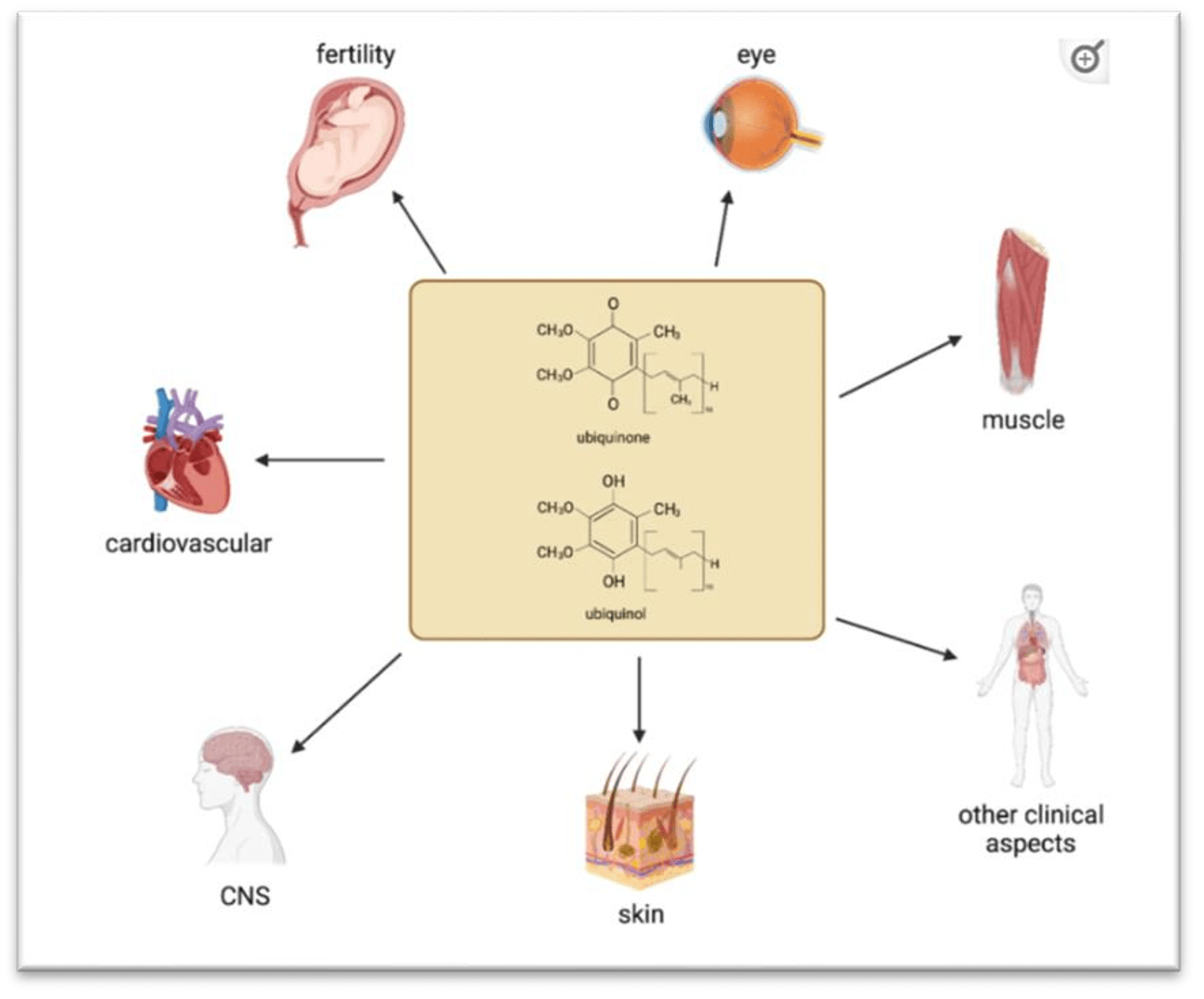
CoQ10 exists in three forms:
- Ubiquinone (oxidized form)
- Semi-oxidized intermediate form
- Ubiquinol (active, reduced form)
Ubiquinol is the most bioavailable form and is easier for the body to absorb and use.
What does CoQ10 do in the body?
CoQ10 is essential for:
- Cellular energy production (ATP synthesis)
- Heart, brain, liver, kidney, and lung function
- Antioxidant protection against oxidative stress
It helps cells generate energy efficiently and protects them from damage caused by free radicals.
Why do CoQ10 levels decline with age?
CoQ10 levels naturally decrease as we age. By around age 80, levels may drop to about 50% of youthful levels.
Diet alone is usually not enough to restore optimal levels. For example, obtaining around 100mg of CoQ10 from food would require extremely large amounts of food intake, making supplementation more practical.
Ubiquinol vs Ubiquinone: What is the difference?
Ubiquinol is the active form of CoQ10.
Key differences:
- Ubiquinol = active, ready to use
- Ubiquinone = must be converted in the body
- Ubiquinol is up to 2x more bioavailable than ubiquinone
This means a lower dose of ubiquinol may achieve similar effects compared to ubiquinone.
What are the benefits of CoQ10 (Ubiquinol)?
1. Energy and fatigue support
CoQ10 supports mitochondrial energy production, which may help reduce fatigue and improve physical energy levels.
2. Heart health
CoQ10 plays an important role in supporting cardiovascular function, including:
- Blood vessel health
- Heart muscle energy production
- Blood pressure regulation support
3. Antioxidant protection
CoQ10 helps neutralize free radicals, which can damage cells, DNA, and tissues over time.
4. Brain and neurological support
Adequate CoQ10 levels may support brain health and mitochondrial function in nerve cells.
5. Metabolic and blood sugar support
Some studies suggest CoQ10 may help support healthy blood sugar and lipid (cholesterol) balance.
6. Migraine support
CoQ10 supplementation has been studied for reducing migraine frequency in some individuals.
CoQ10 and aging-related conditions
Low CoQ10 levels have been associated with:
- Chronic fatigue
- Muscle pain and weakness
- Fibromyalgia-like symptoms
- Oxidative stress-related conditions
It is also being studied for its role in neurodegenerative conditions such as Parkinson’s disease, where mitochondrial dysfunction is a key factor.
Recommended dosage of Ubiquinol
A commonly used supplemental dose is:
- 100mg of Ubiquinol daily
However, dosage may vary depending on age, health status, and clinical goals.
Is CoQ10 safe?
CoQ10 is generally considered safe and well-tolerated. Mild side effects are uncommon but may include:
- Mild digestive discomfort
- Headache (rare)
It is best to consult a healthcare professional if you are:
- Having chronic medical conditions
- Taking blood thinners
- Pregnant or breastfeeding
Who may benefit most from CoQ10 supplementation?
CoQ10 (especially ubiquinol) may be beneficial for:
- Adults over 40
- Individuals with low energy or fatigue
- People with cardiovascular concerns
- Those exposed to high oxidative stress
- Individuals interested in healthy aging support
Key takeaway
CoQ10, especially in its active form ubiquinol, is a vital compound for energy production, antioxidant protection, and overall cellular health. Because natural levels decline with age, supplementation is commonly used to support energy, heart health, and healthy aging.