Ever wondered if men go through a version of menopause? The answer is yes! This stage in men’s lives is known as andropause. Understanding the andropause meaning helps clarify what happens as men age, including changes in hormones, energy levels, mood, and overall health.
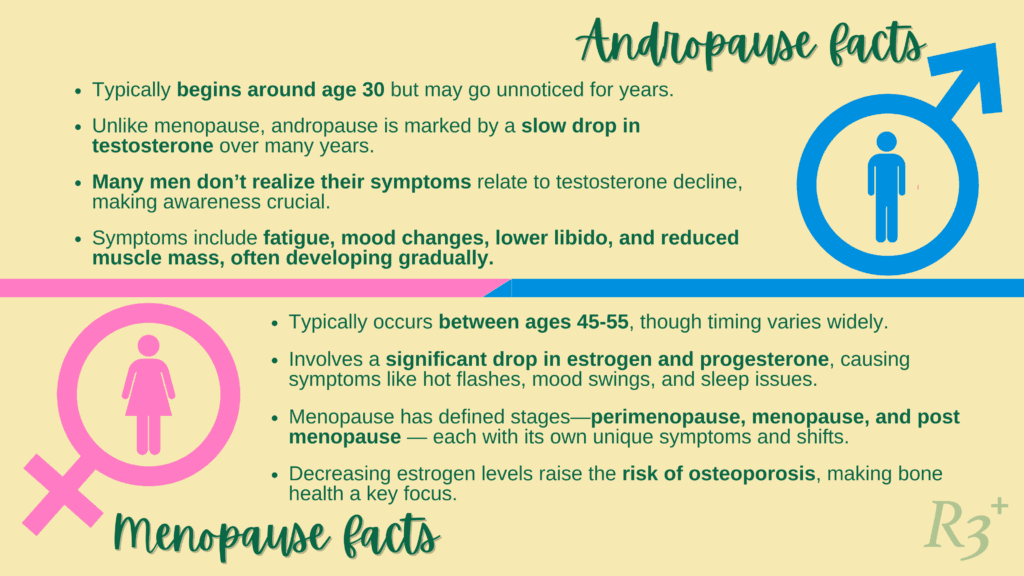
Unlike women, who experience menopause with clear stages, men undergo a gradual decline in testosterone starting around age 30. This slow drop can lead to symptoms such as reduced libido, low energy, mood swings, and changes in muscle mass. Let’s explore what andropause really means and how it differs from menopause in women.
What Is Andropause? Meaning and Key Insights
The term andropause is sometimes called “male menopause,” but the experience is different from female menopause. While women have defined stages—perimenopause, menopause, and postmenopause—men experience a slow, steady decline in testosterone without clear phases.
This hormonal change is subtle, yet it can significantly affect physical, emotional, and sexual health. Recognizing the andropause meaning can help men and their partners navigate this life transition with awareness and empathy.
Key Symptoms of Andropause
Men may experience a variety of changes during andropause, including:
- Fatigue and low energy: Feeling more tired despite regular rest
- Reduced libido: Decrease in sexual desire or performance
- Mood changes: Irritability, anxiety, or mild depression
- Muscle and strength loss: Gradual decline in muscle mass
- Sleep disturbances: Trouble falling asleep or staying asleep
These symptoms often develop gradually, making them easy to overlook. Understanding the andropause meaning helps distinguish normal aging from conditions that may require medical attention.
How Andropause Differs from Menopause
While both men and women experience midlife hormonal changes, the pace and intensity differ:
| Aspect | Men (Andropause) | Women (Menopause) |
|---|---|---|
| Hormonal Changes | Gradual decline in testosterone | Sharp drop in estrogen and progesterone |
| Symptom Onset | Slow and subtle | Often abrupt and intense |
| Physical Symptoms | Fatigue, low libido, mood changes | Hot flashes, night sweats, joint aches |
| Emotional Effects | Mood swings, anxiety, low motivation | Mood swings, irritability, depression |
Understanding these differences can help men manage expectations and communicate more effectively with healthcare providers and loved ones.
Lifestyle and Support Strategies
Adopting healthy habits is crucial in easing the impact of andropause:
- Exercise regularly: Strength training and cardio help maintain muscle mass and energy
- Eat a balanced diet: Nutrient-rich foods support hormonal health and overall wellness
- Manage stress: Meditation, yoga, or mindfulness practices can improve mood
- Prioritize sleep: Good sleep hygiene supports hormone balance and mental clarity
Supplements That May Help
Certain supplements can support men during andropause by boosting energy, supporting cellular health, and reducing oxidative stress. For example, NMN 250 combined with antioxidants like astaxanthin and CoQ10 can help alleviate fatigue and inflammation, complementing lifestyle changes.
While supplements are not a replacement for medical care, they can enhance overall well-being and help men navigate midlife changes more comfortably.
Encouraging Open Discussions
Talking about andropause openly with partners, family, or healthcare professionals can make a big difference. Understanding the andropause meaning encourages men to take proactive steps for their health, including regular check-ups and lifestyle adjustments.
Andropause is a natural part of the aging process. By understanding the andropause meaning, recognizing the symptoms, and adopting supportive lifestyle changes including exercise, diet, and carefully selected supplements, men can maintain energy, vitality, and well-being during midlife.
If you’re also interested in learning more about menopause and how NMN supplements can help support both men and women through these hormonal transitions, click here to explore further.